

our challenges
A Station That Hasn't Kept Up
Our fire station wasn't built for how the department operates today. Built more than 30 years ago to support an older staffing model with paid on-call firefighters, the Fire Station fails to meet the needs of today's 24/7 duty crews who live and work in the building around the clock. After years of updates and workarounds, the station has reached its limits.
did you know?
Emergency calls have more than doubled from 918 in 2014 to 1,850 in 2025. That's a 101% increase in just over a decade.
The Fire Station was built for a different era of demand, and that gap is only growing.
Firefighter Health and Wellbeing
The building puts the people who protect us at risk.
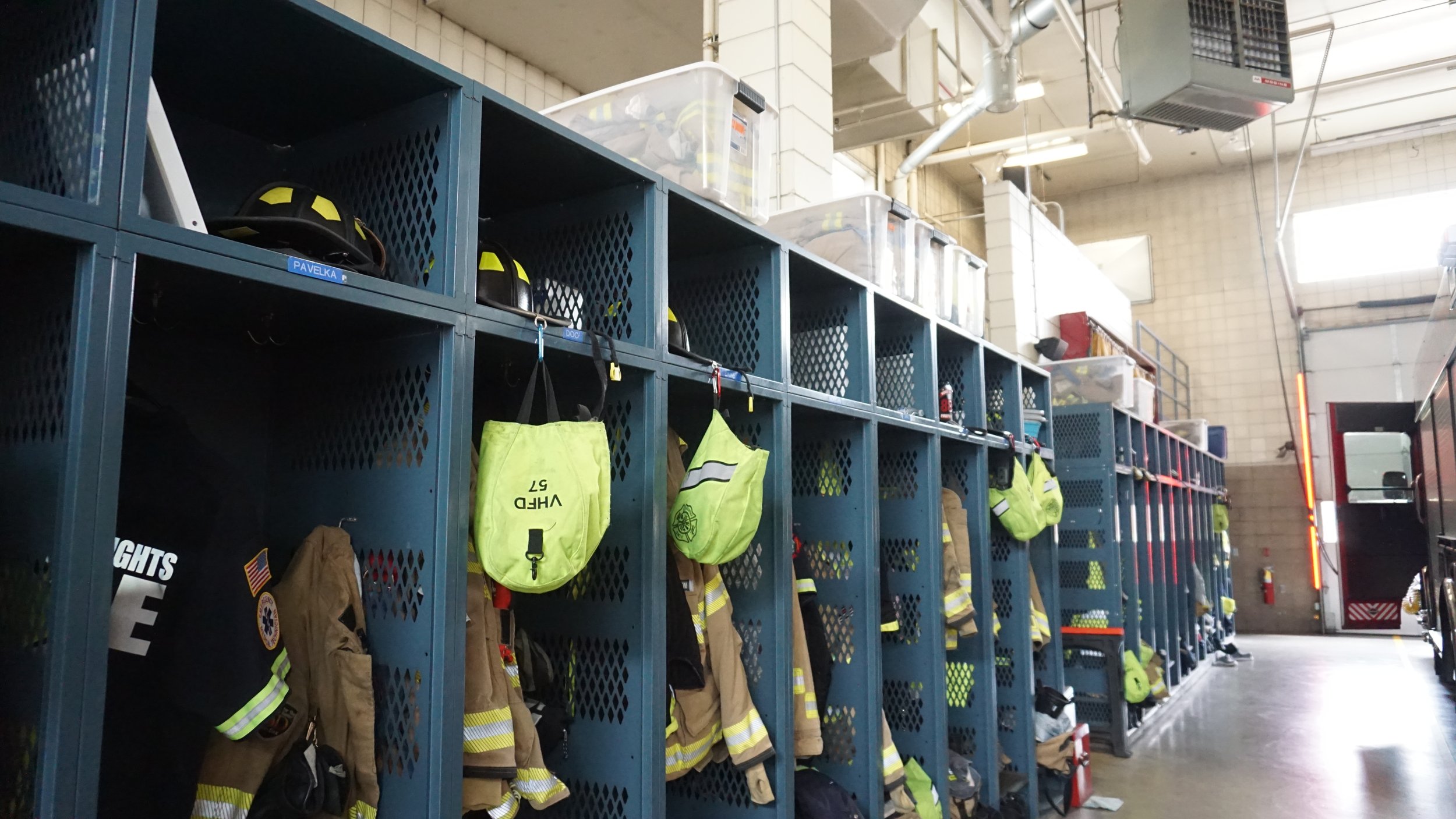
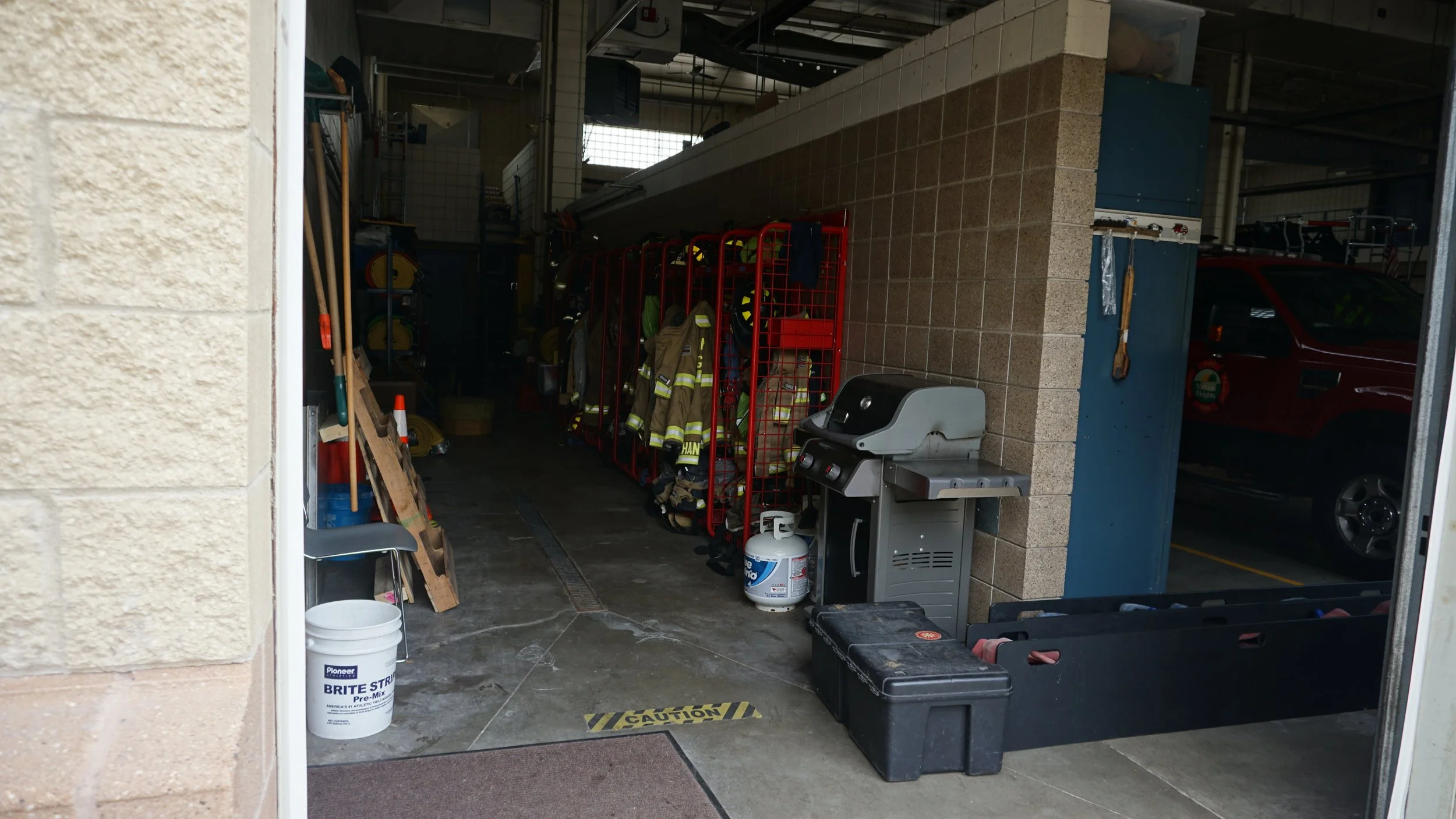
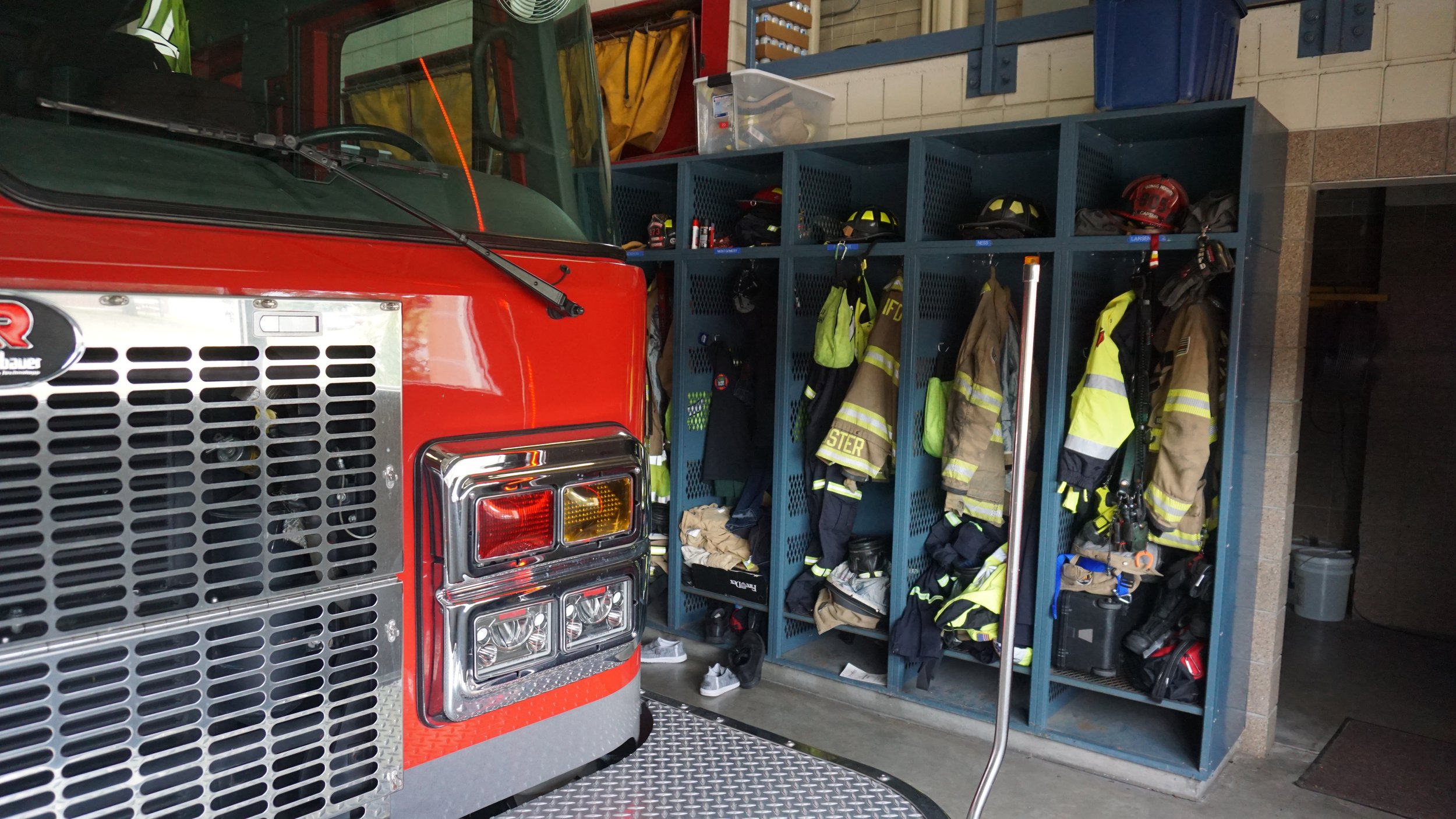
Exposure to harmful substances. The station lacks separate zones to keep contaminants like diesel exhaust, soot and other carcinogens on gear away from where firefighters eat, sleep and recover. Without these zones, our crews are regularly exposed to substances linked to real long-term health risks.
Lack of recovery space between calls. Firefighting is physically and mentally demanding, and the Fire Station lacks the quiet spaces crews need to decompress, recover and prepare for the next call.
Protective exhaust systems don't turn on automatically. When harmful gas levels rise in the apparatus bay, fans should engage automatically. Ours have to be switched on manually, creating serious safety risks.
Kitchen areas have no exhaust ventilation. This is a basic safety gap in a building where crews live and cook around the clock.
Building Problems
Three decades of wear, workarounds and warning signs.
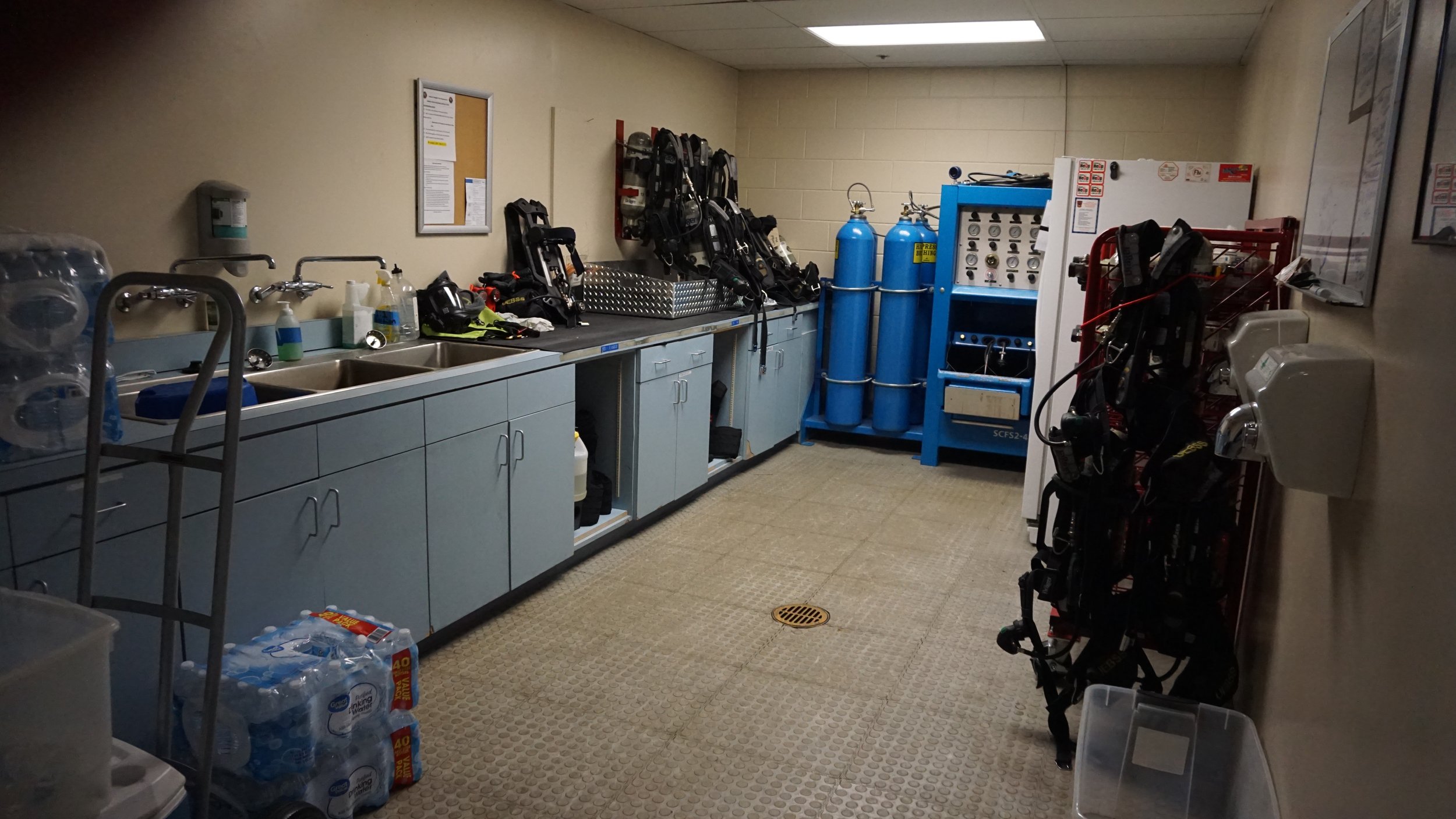
At maximum capacity. There's no room for more staff without converting closets or hallway space through costly renovations that would only provide a short-term fix.
Not enough room for training or equipment. Crews make do with what little space is left.
Split across two locations. Some vehicles and equipment sit at the North Service Center. Responding to certain calls means an extra stop first, costing precious time.
Apparatus bays can't keep up. Not enough room to store all the department's equipment under one roof.
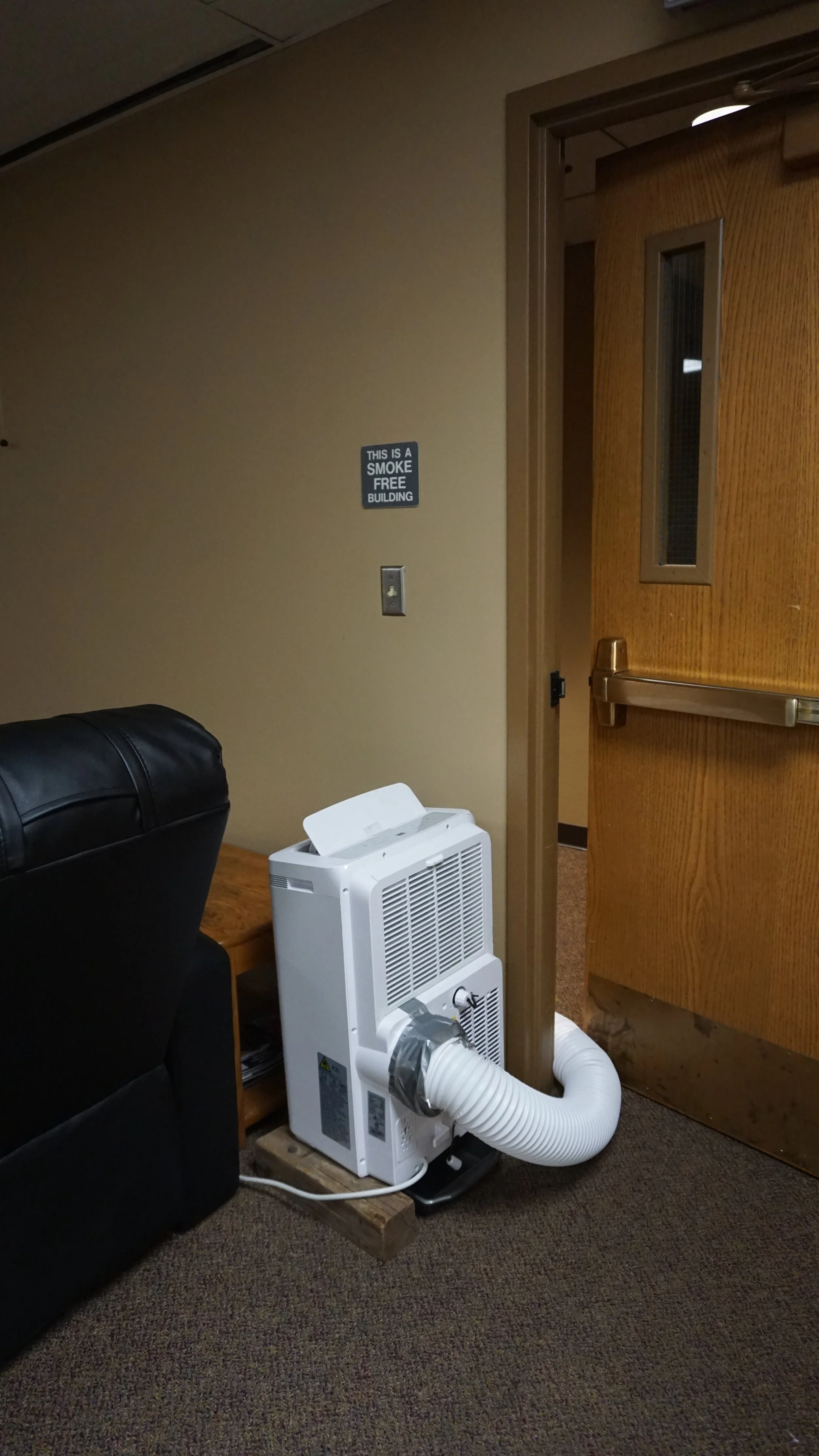
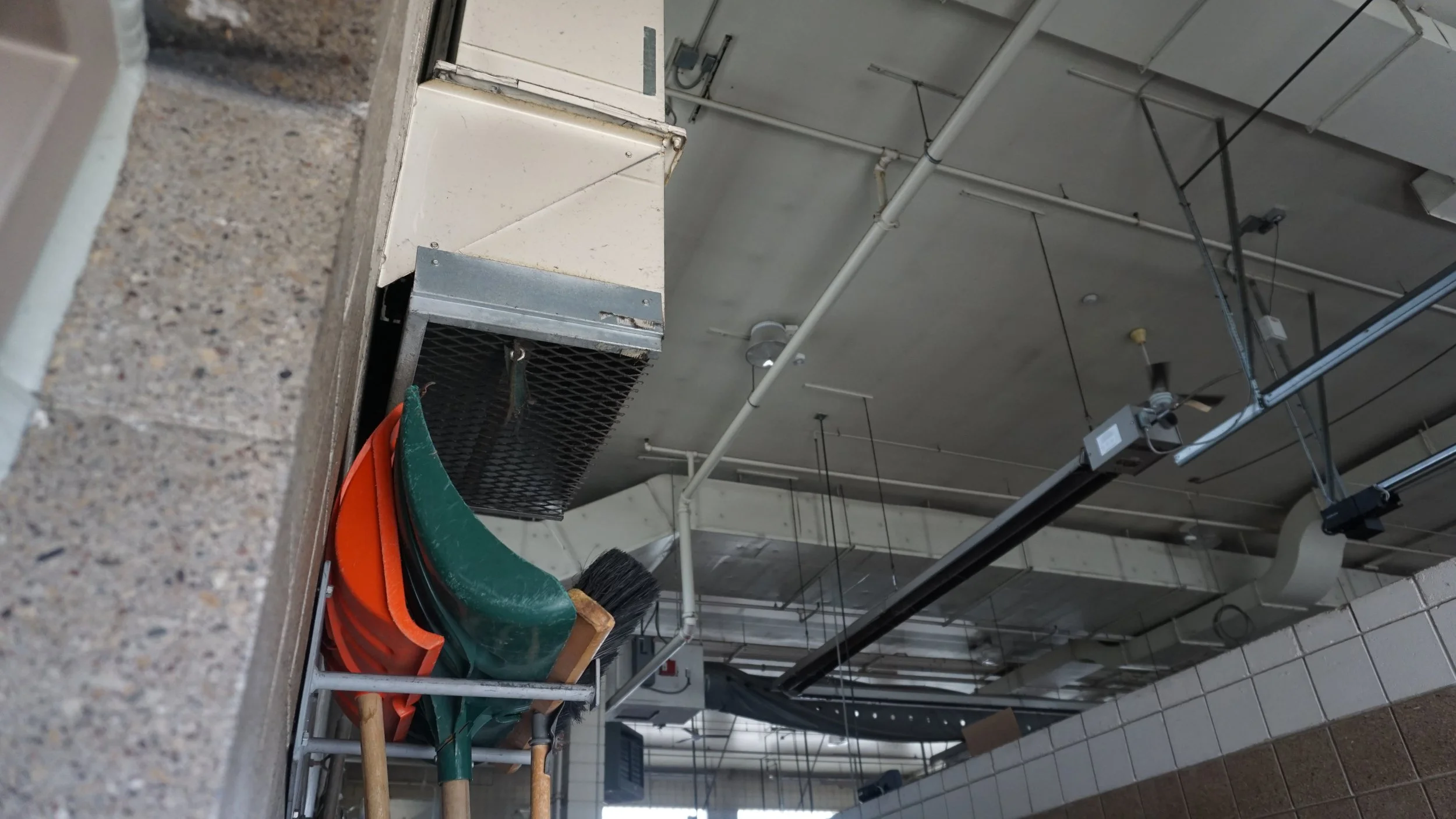
HVAC system is failing. Staff can't adjust the temperature without calling in a specialized vendor.
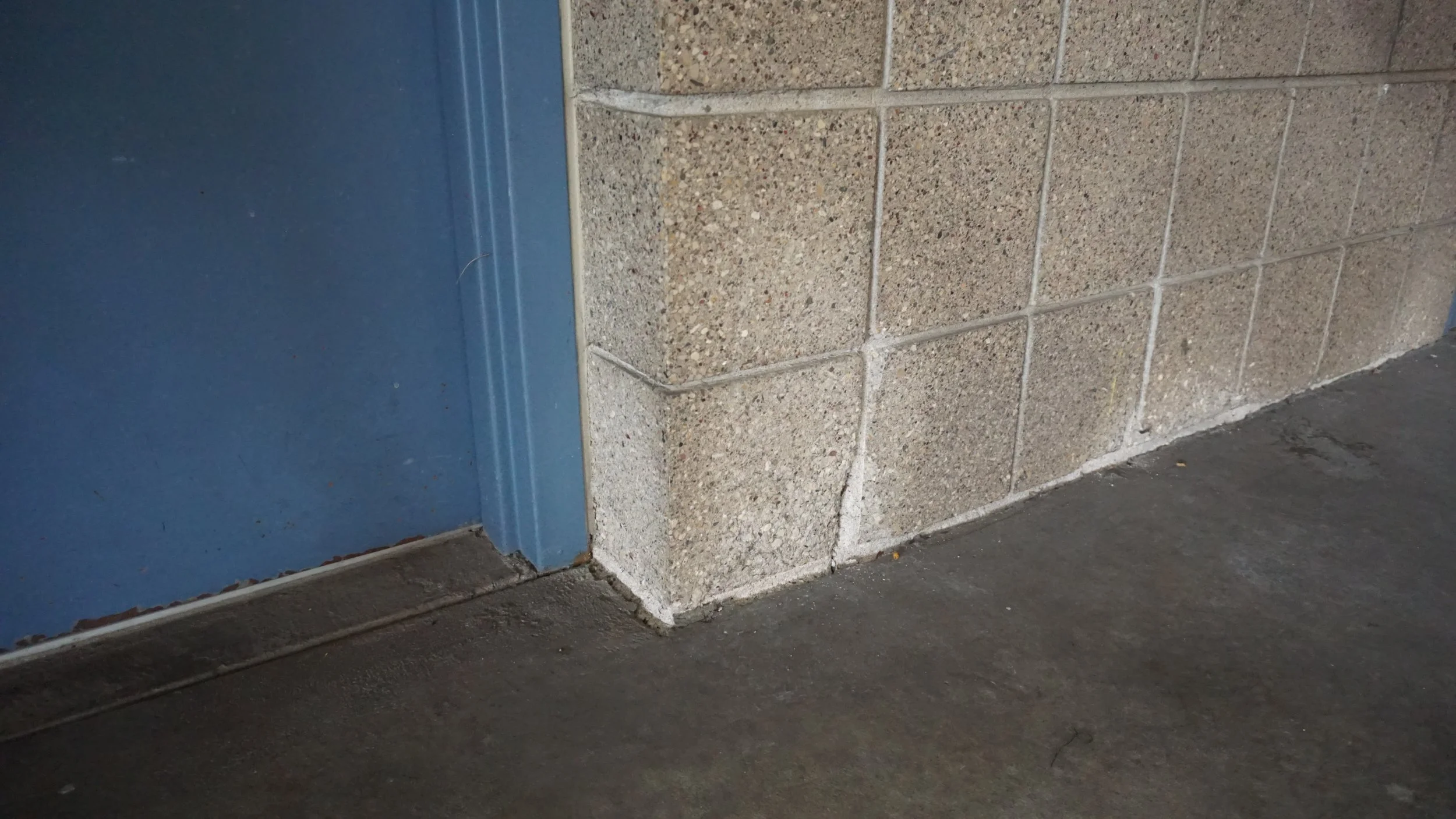
Water system is deteriorating. Faucets run orange. Bathroom sinks are held up by two-by-fours.
Black debris everywhere. It blows through the aging air ducts and settles on desks and surfaces throughout the station.
Vehicle bay design creates safety risks. The department prefers drive-through bays to avoid backing up trucks — a leading cause of injury at fire stations. The current layout doesn't allow for that on every bay.
These are not minor issues.
They are real health, safety and operational concerns that impact how quickly and effectively firefighters can respond during emergencies and how well our department can attract and retain experienced firefighters.
These challenges didn't appear overnight — and neither did our plan to address them.