

our fire department
More Than Fighting Fires
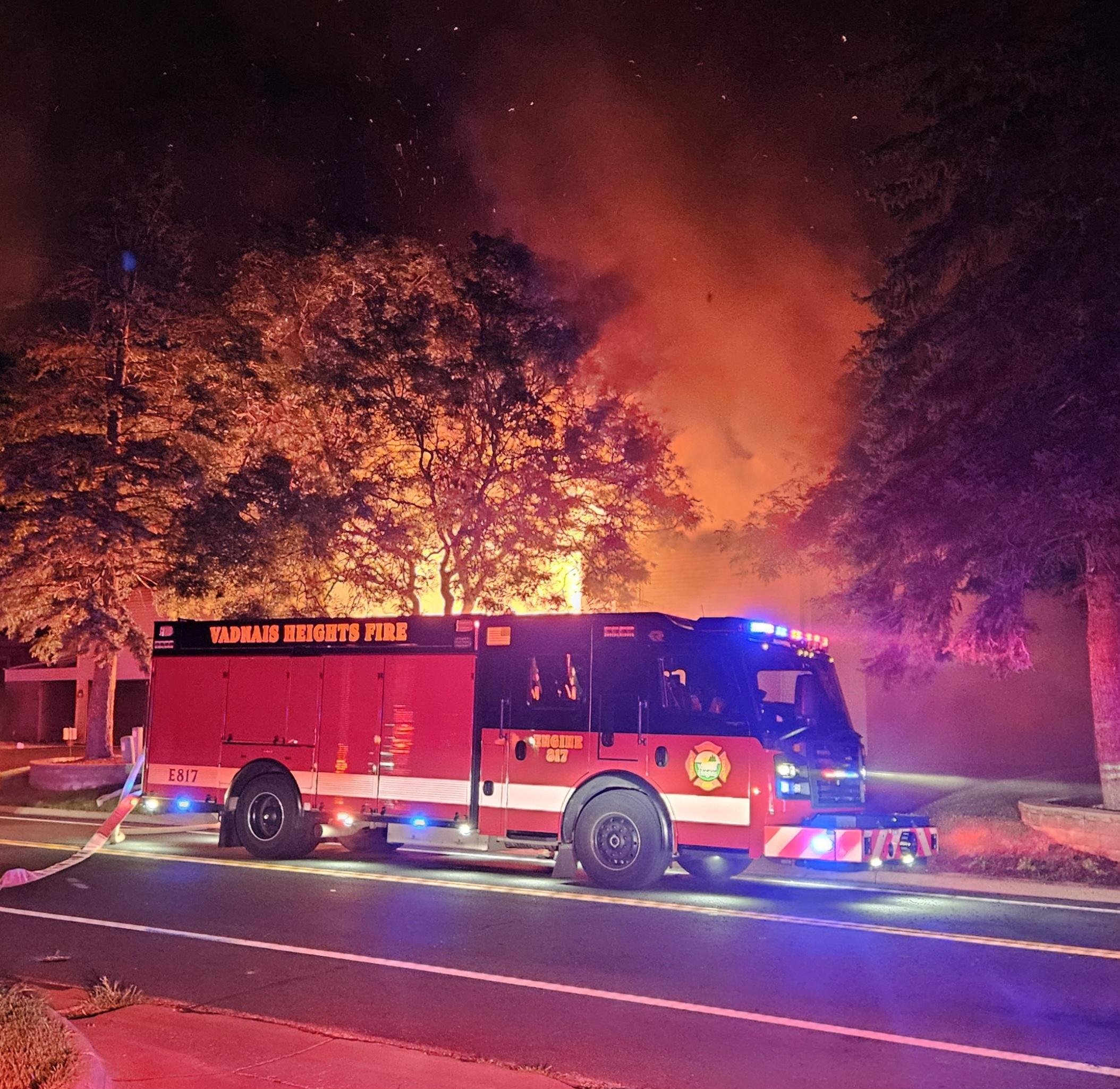
Modern fire service means responding to nearly any emergency, and today's fire station wasn’t built for that. When the department was founded, most calls were fire emergencies. Today, roughly 75% of the calls the fire department responds to are medical emergencies — alongside car crashes, hazardous material spills and complex rescues. VHFD has grown into what's called an "all-hazard" department, ready for nearly anything a resident might need.
Today’s fire station should be designed to meet that same range of demands, not just the fires that gave the department its name
did you know?
The 2023 facility study found the department needs about 37,000 square feet to meet current and future demands
— nearly double the station's existing 19,800 square feet..
What Daily Operations Require
A professional assessment of the current station identified real gaps between how the department operates today and what the building actually supports:
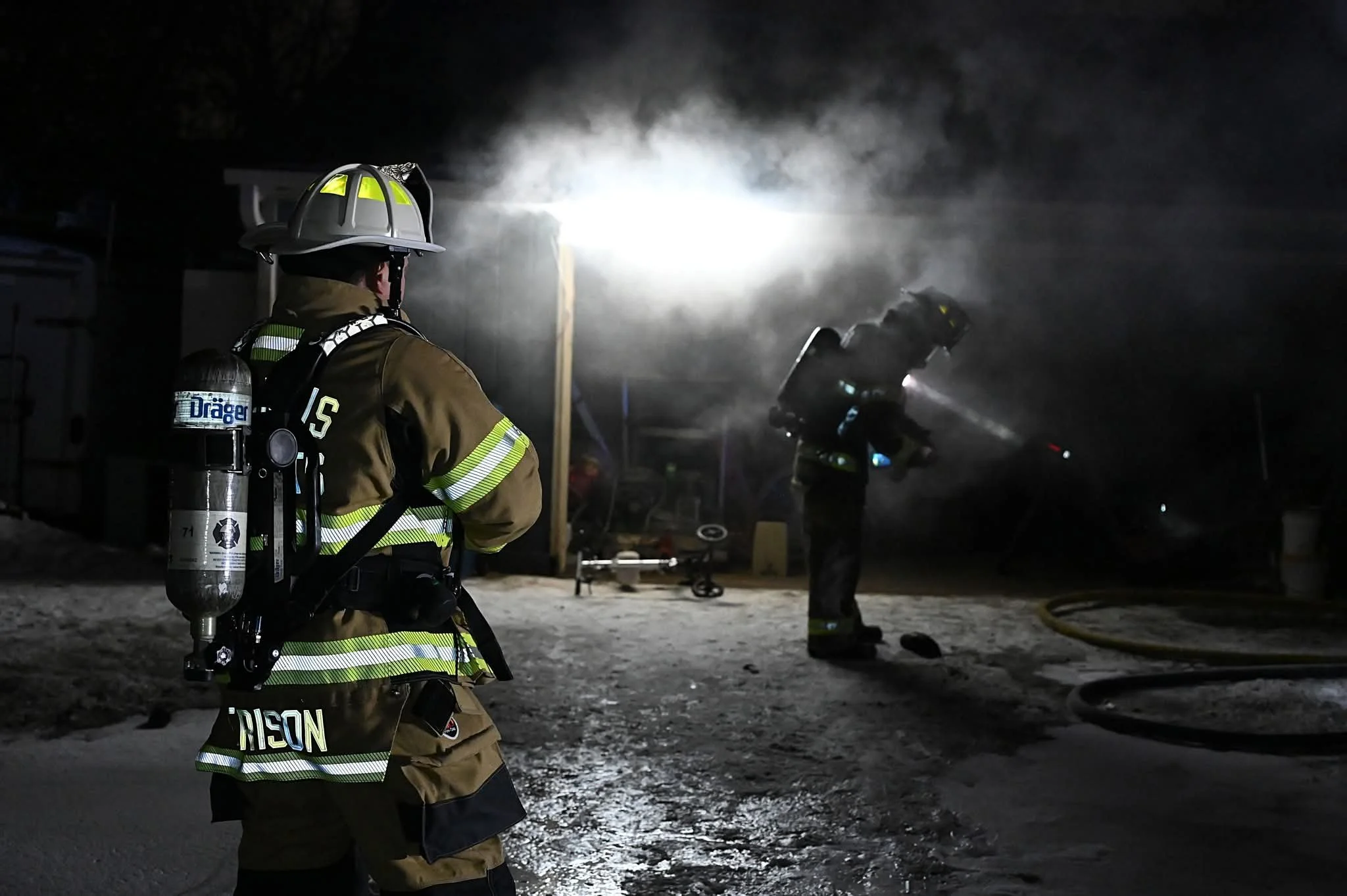
Clean separation from contamination. Turnout gear is currently stored in the apparatus bays, exposed to diesel particulates and sunlight that degrade it over time. A modern station separates "hot zones" (where contaminated gear and vehicles live) from "clean zones" (where crews eat, sleep, and recover) — protecting both equipment and firefighter health.
Exhaust that runs automatically. Diesel exhaust should clear the apparatus bay automatically as gas levels rise. It should not depend on someone remembering to flip a switch.
Dedicated decontamination space. Firefighters need a designated space to decontaminate after exposure to hazardous materials, separate from where they live and work.
Bunk rooms built for real rest. Sleep matters for duty crews who must remain ready to respond around the clock. That means sound separation between bunk rooms, and a clear, quick path from sleeping quarters to the apparatus bay when a call comes in.
Room to grow. Locker rooms, workspaces and medical supply storage all need to scale with staffing — not stay fixed at a size set decades ago.
What a Modern Station Needs to Support
Beyond fixing what's broken, a modern facility needs to be built around the department's full scope of work:
Dedicated space for decontamination and gear storage, designed in from the start rather than retrofitted into rooms that were never meant for it.
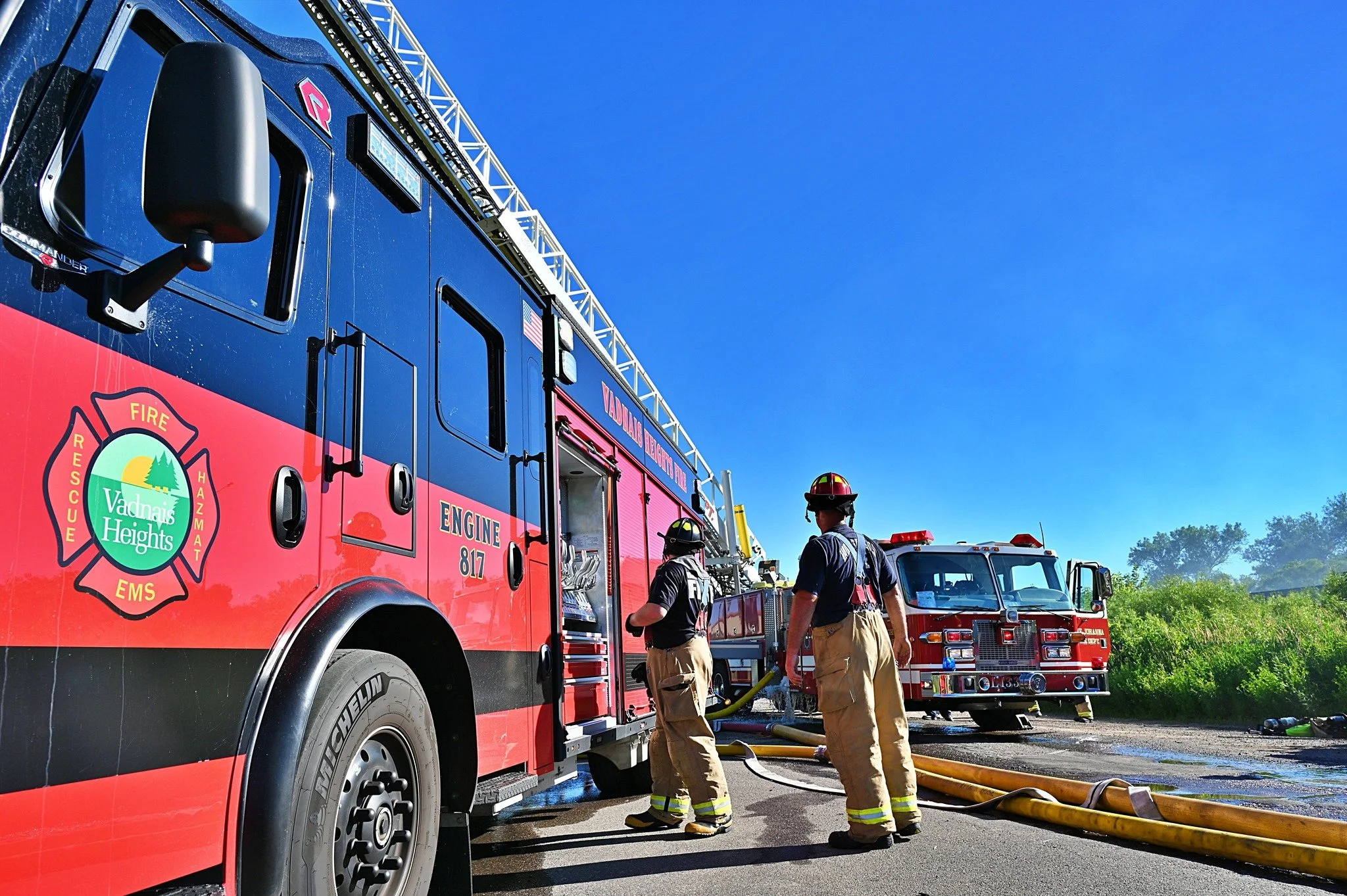
Room for the whole fleet, including apparatus bays sized for today's larger vehicles and dedicated space for command vehicles, not split across two buildings.
Onsite training space, including support for hands-on, scenario-based drills — so crews can train during their shift, not just in theory.
Office and support space that scales with the department's staffing needs, now and in the future.
Community space large enough for public meetings and training, not borrowed from a room built for something else.
These aren't upgrades for their own sake.
They're the baseline for how a 24/7, all-hazard department needs to operate — and the current station simply wasn't built with any of this in mind.These challenges didn't appear overnight — and neither did our plan to address them.