
Vadnais Heights
Fire Station Project
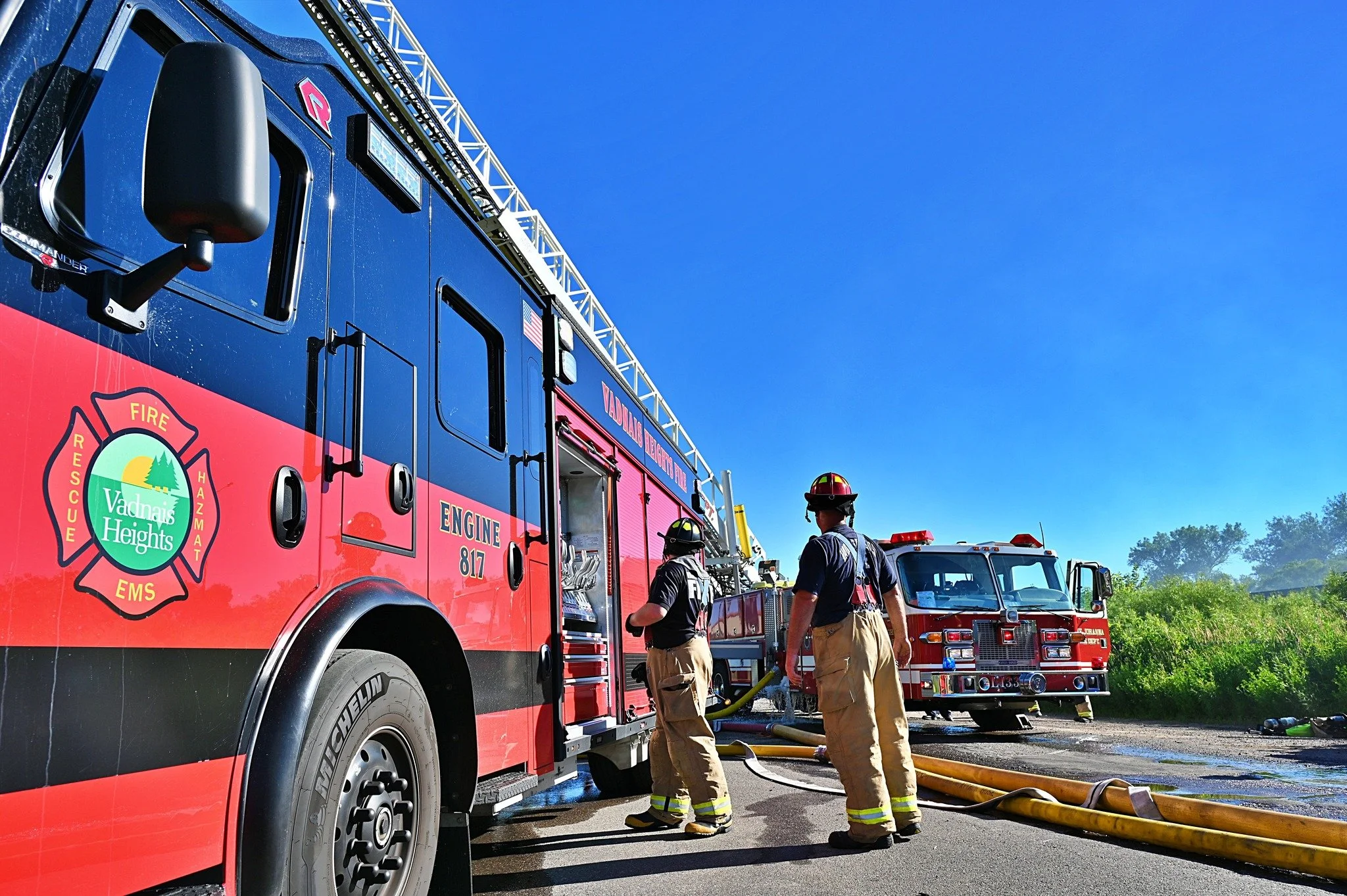
Keeping residents safe depends on more than dedicated firefighters — it requires a fire station that supports fast and reliable emergency response.
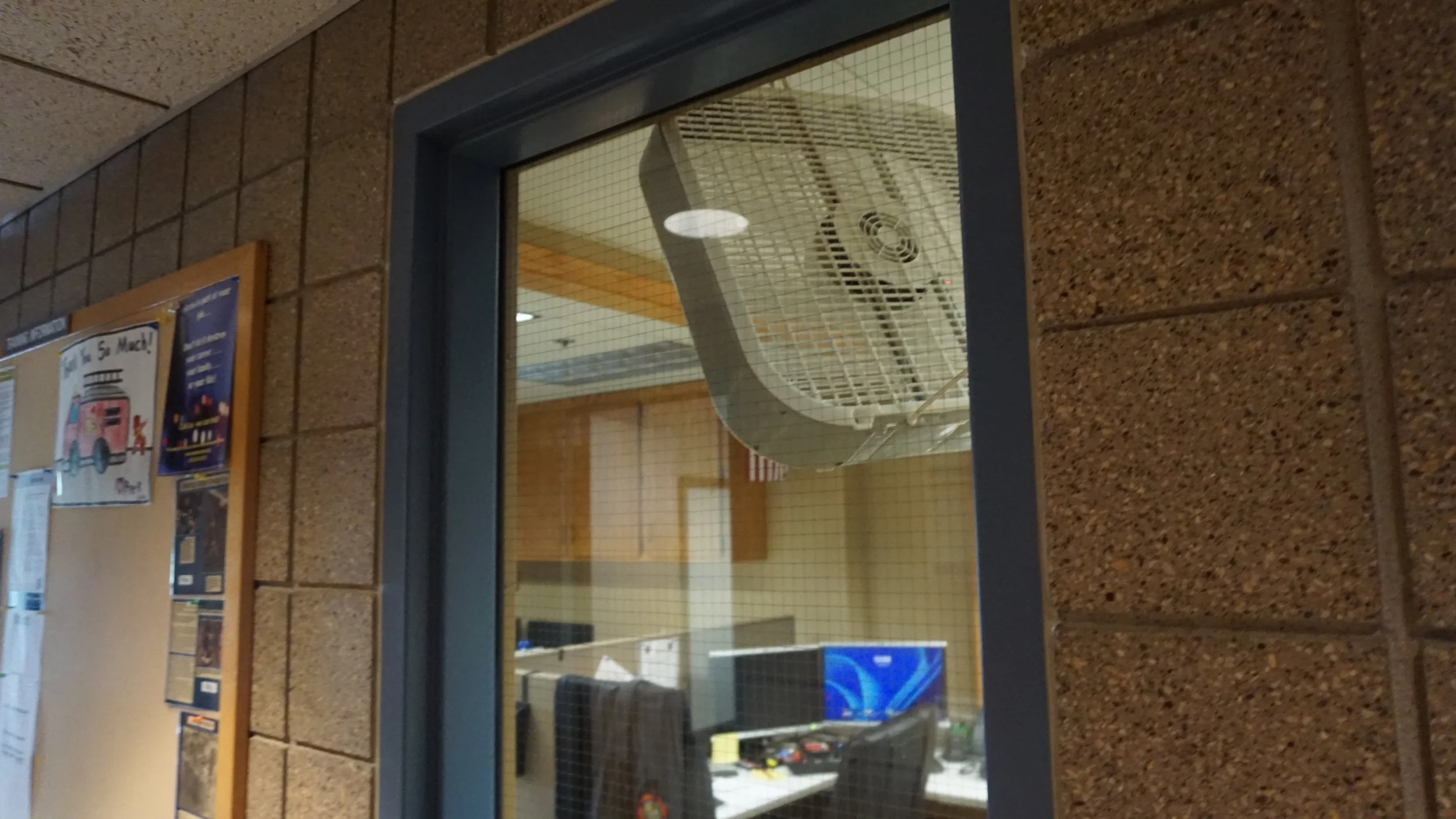
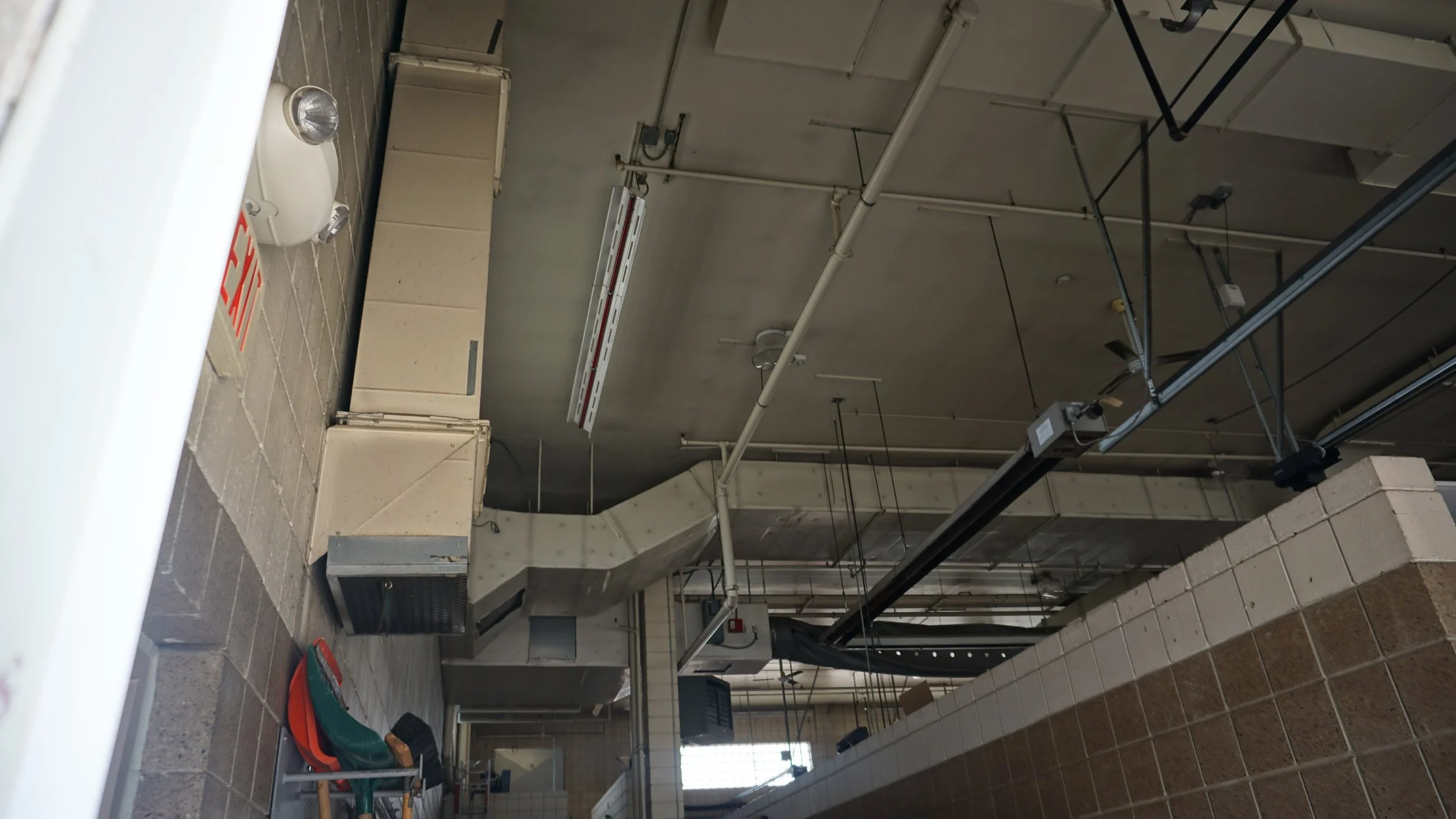
Our current fire station is aging and was built for a different era of emergency response, creating gaps that make it harder for firefighters to serve this community every day.
For the past three years, the city has been working on a plan to help ensure fire operations are supported for the long haul. The city studied every option — including renovating the current station — before determining that a new facility is the most responsible long-term investment in public safety.
Following initial approval of a new fire station, the city paused its financing plans to restart community engagement and focus on helping residents understand the challenges facing our fire station and the planning underway to address them.

We invite you to explore the facts, understand the challenges and join the conversation.
A Station That's Reached Its Limits
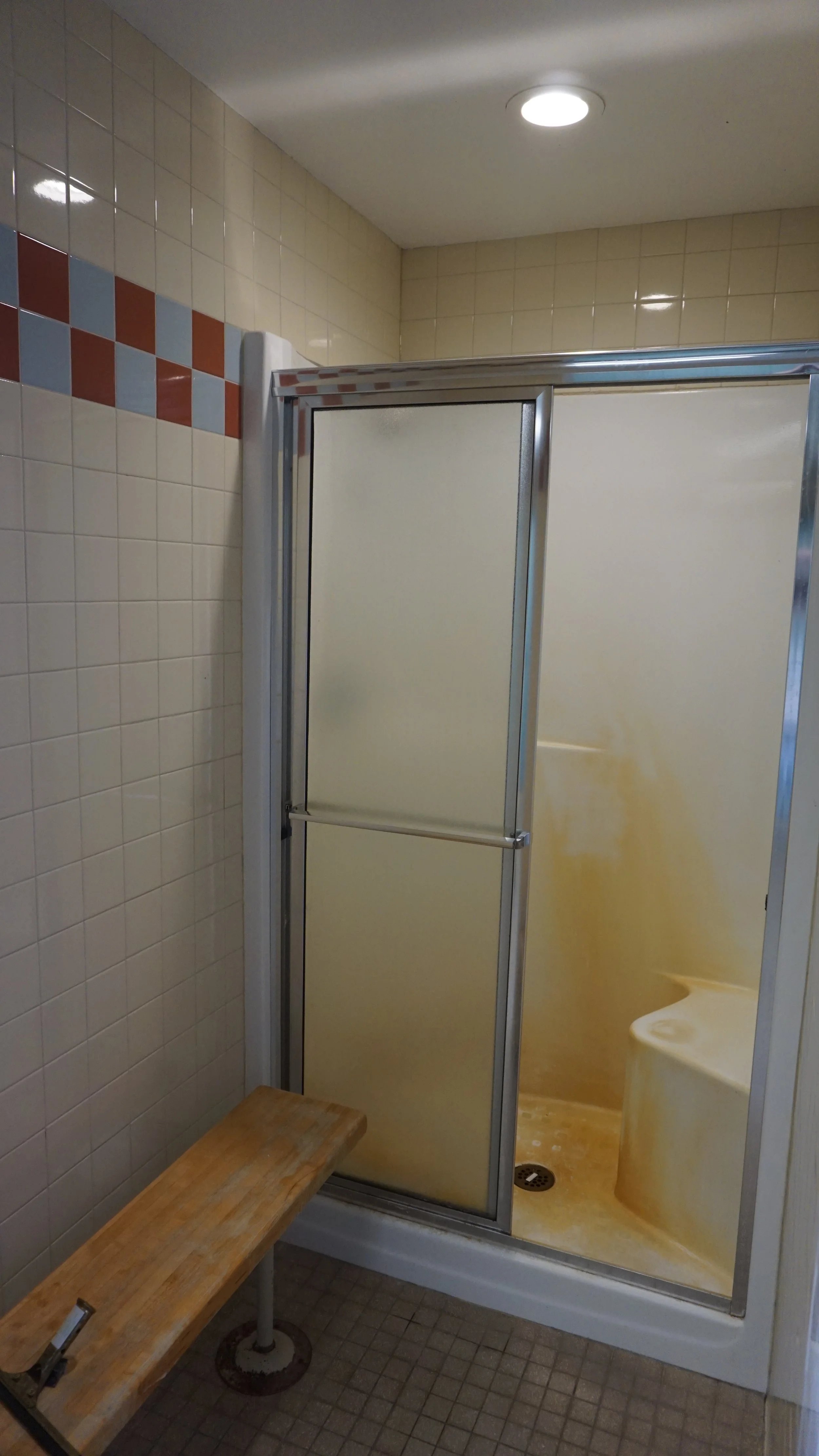
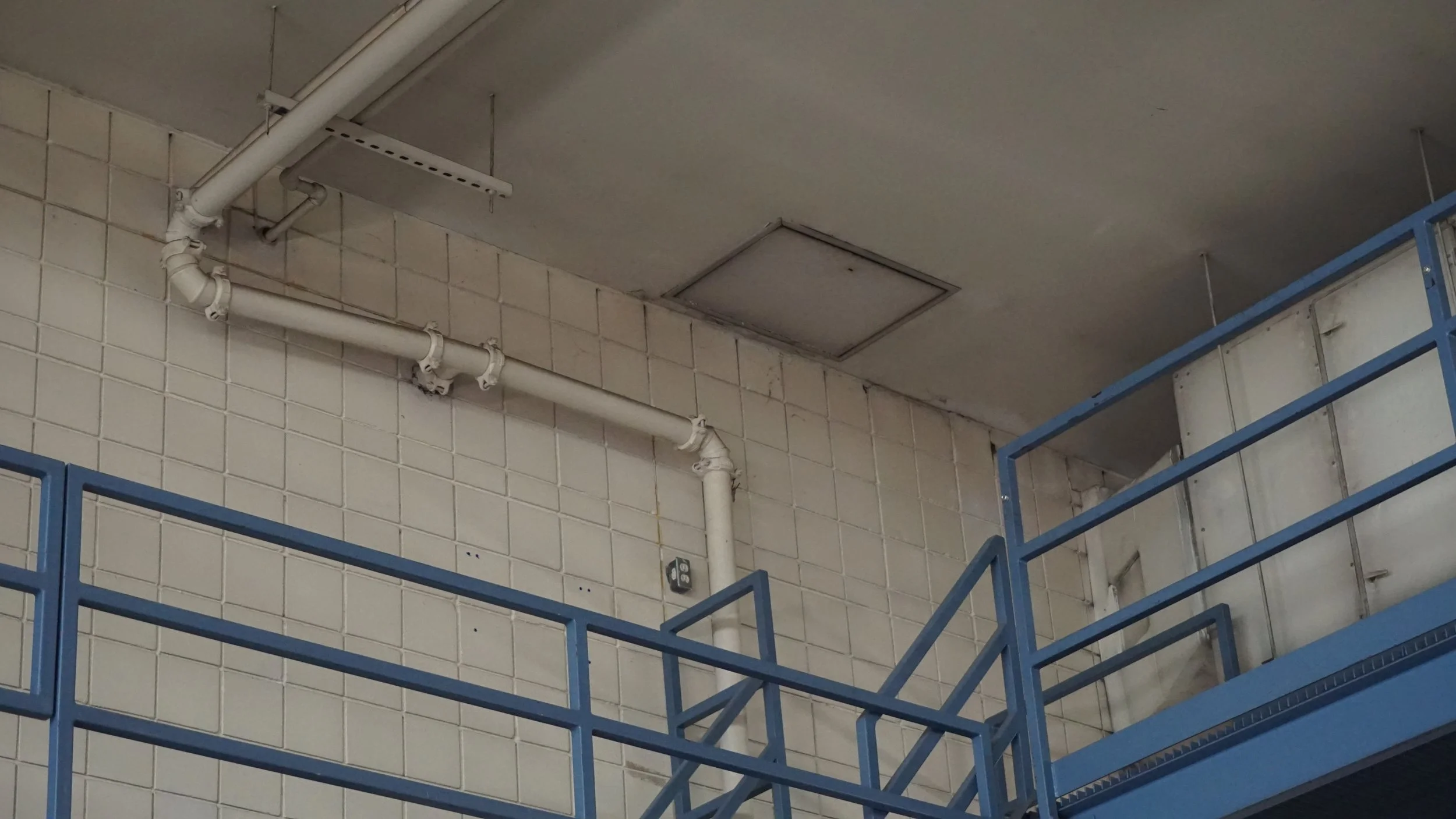
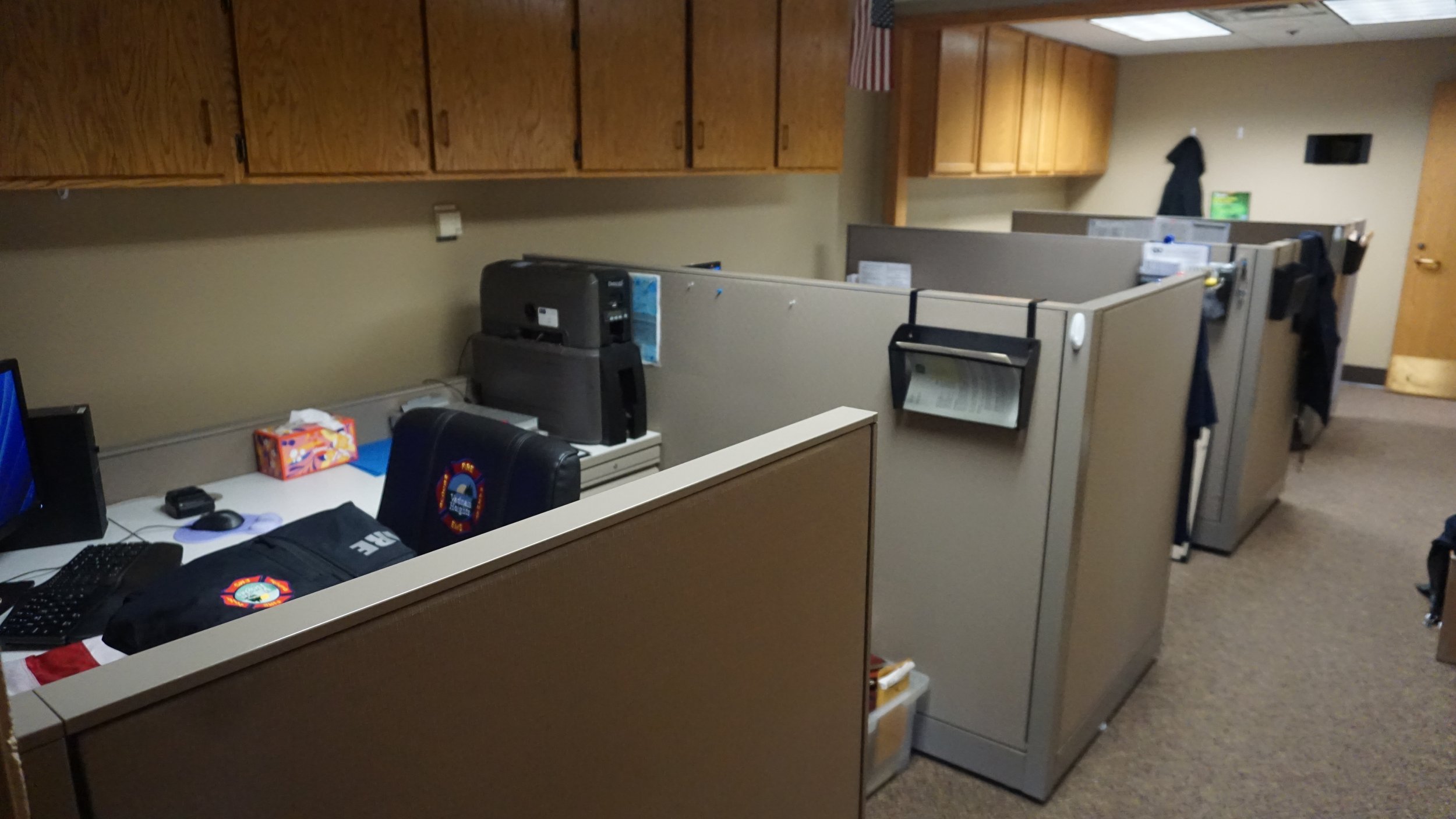
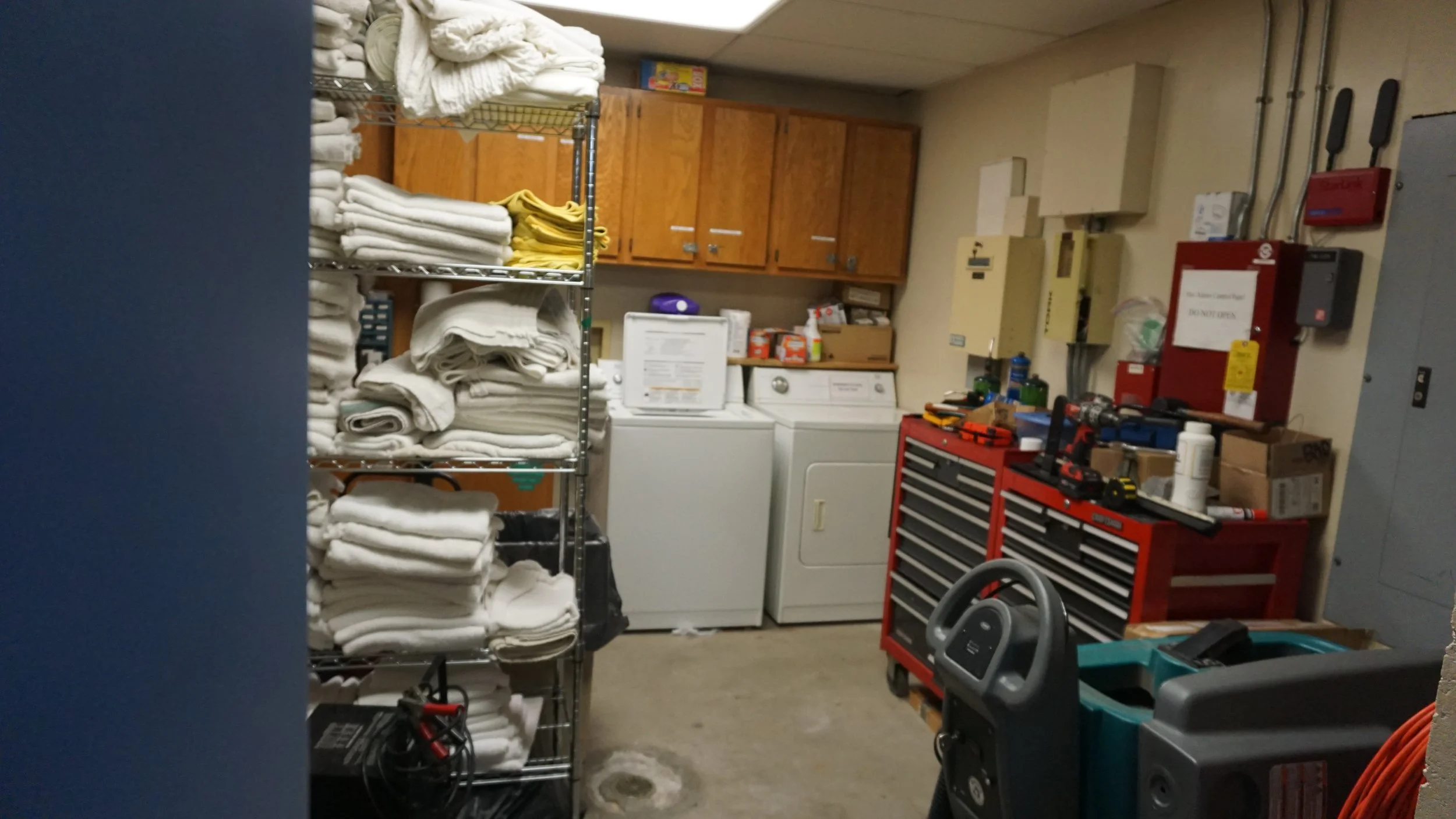
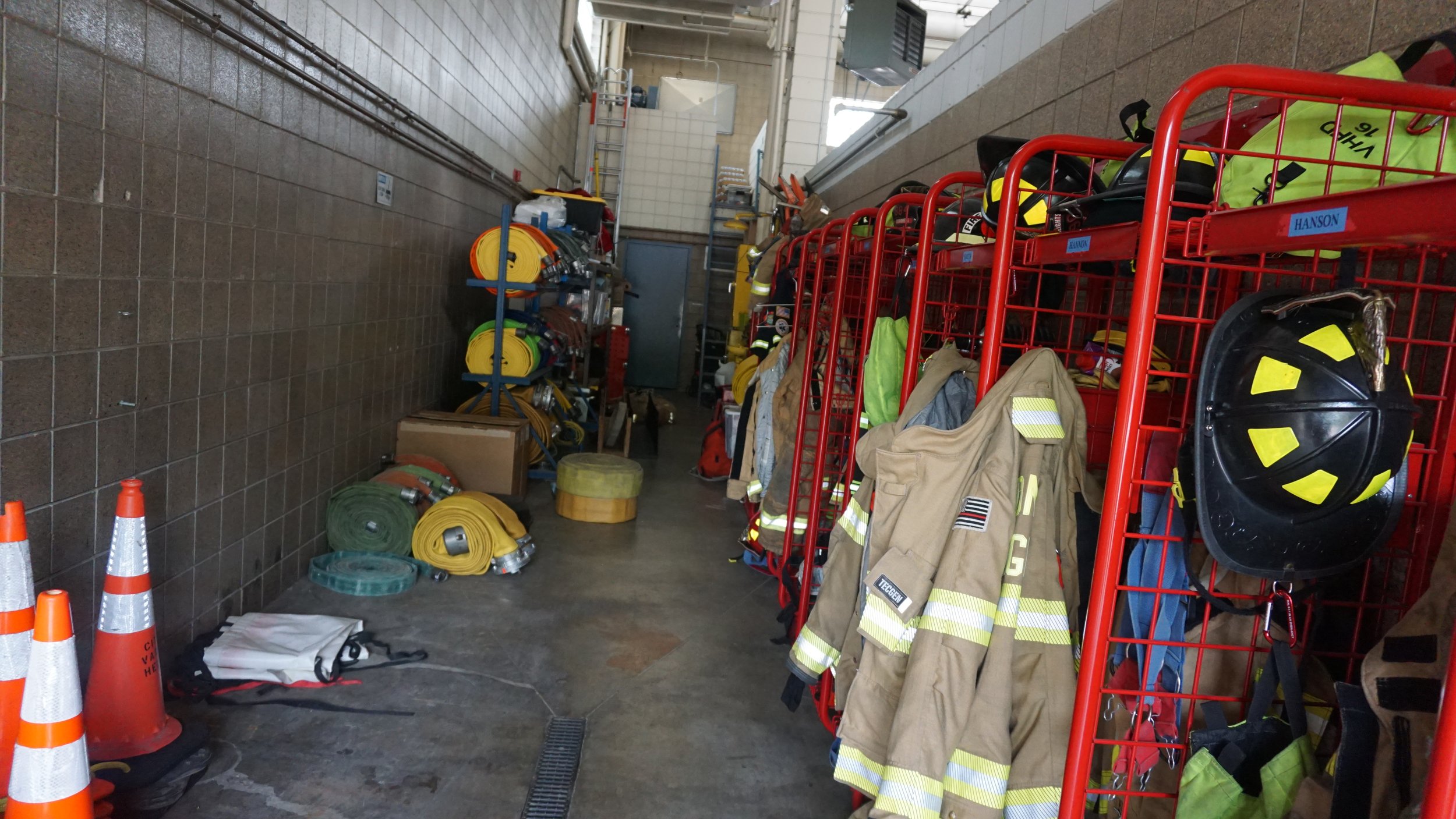
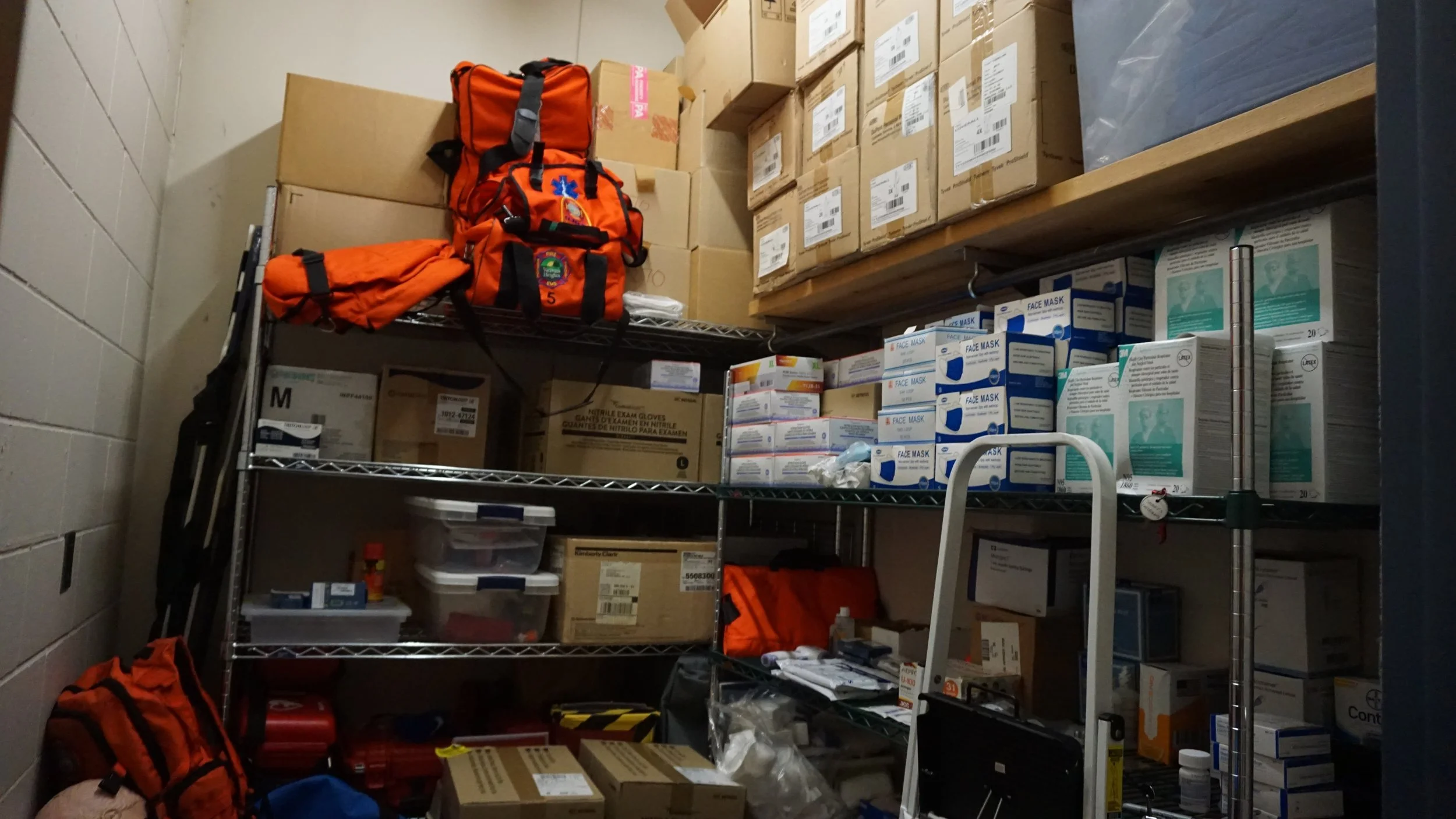
Built in 1993 for a very different department, the South Fire Station wasn't designed for the 24/7 crews who live and work there today. The station falls short on firefighter health and safety, lacking the modern zones that protect crews from daily exposure to carcinogens and other hazards. A professional building assessment found the station offers barely half the space the department needs today. See the full list of challenges.
Modern fire stations support:
Firefighter health and safety — separate zones for living, sleeping and gear reduce daily exposure to harmful contaminants, with adequate space to rest, recover and stay ready between calls.
Faster emergency response — vehicle bays, turnout zones and site design built to get crews out the door quickly.
Recruitment and retention — fire departments today increasingly compete for a smaller pool of candidates willing and able to meet the demands of 24/7 emergency response. An outdated facility makes it even harder to attract and retain experienced firefighters, who gravitate toward stations that support their health, safety and well-being.
Training and readiness — on-site space for hands-on drills means firefighters can train and stay prepared for real-life emergencies in between calls while on duty.
Room to grow — enough space to meet community needs for decades.
City’s goal: A Responsible Investment Plan
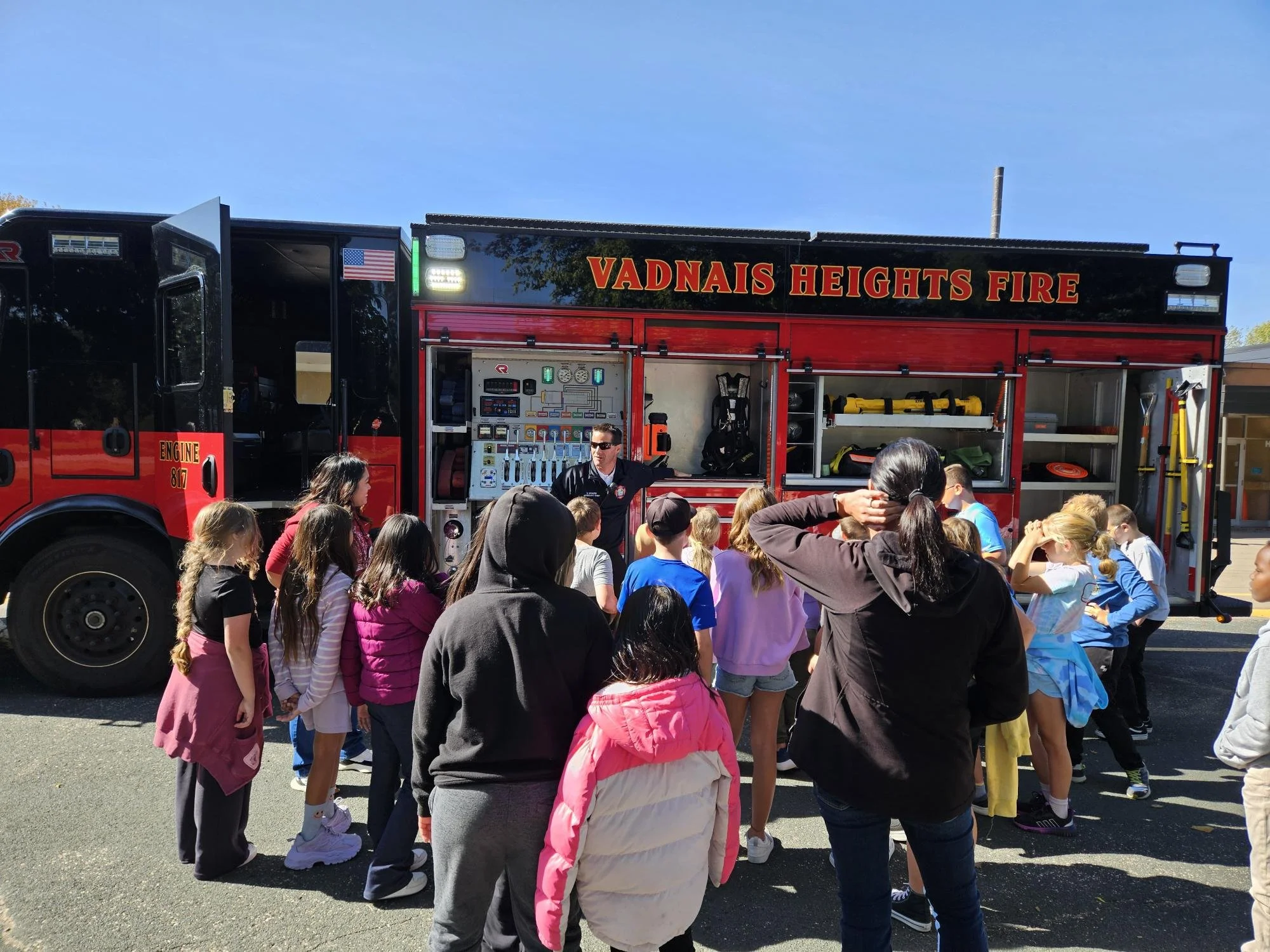
The fire department is an effective and efficient operation. Full-time captains oversee part-time firefighters around the clock, providing 24/7 coverage well below the cost of a full-career department.
This project continues that same discipline. The city is evaluating funding options and working to minimize the impact on taxpayers.
The city’s work so far reflects more than three years of study. This work includes 20+ public meetings and independent reviews of conditions at the current station by professional architects and engineers. This project uses the same rigor residents expect and deserve with every dollar the city spends.
What’s Next?
We're committed to keeping residents informed and involved throughout this process. Check back regularly for updated project information and answers to community questions. Please use our connect form to share your own questions, comments and ideas.