

weighing the options
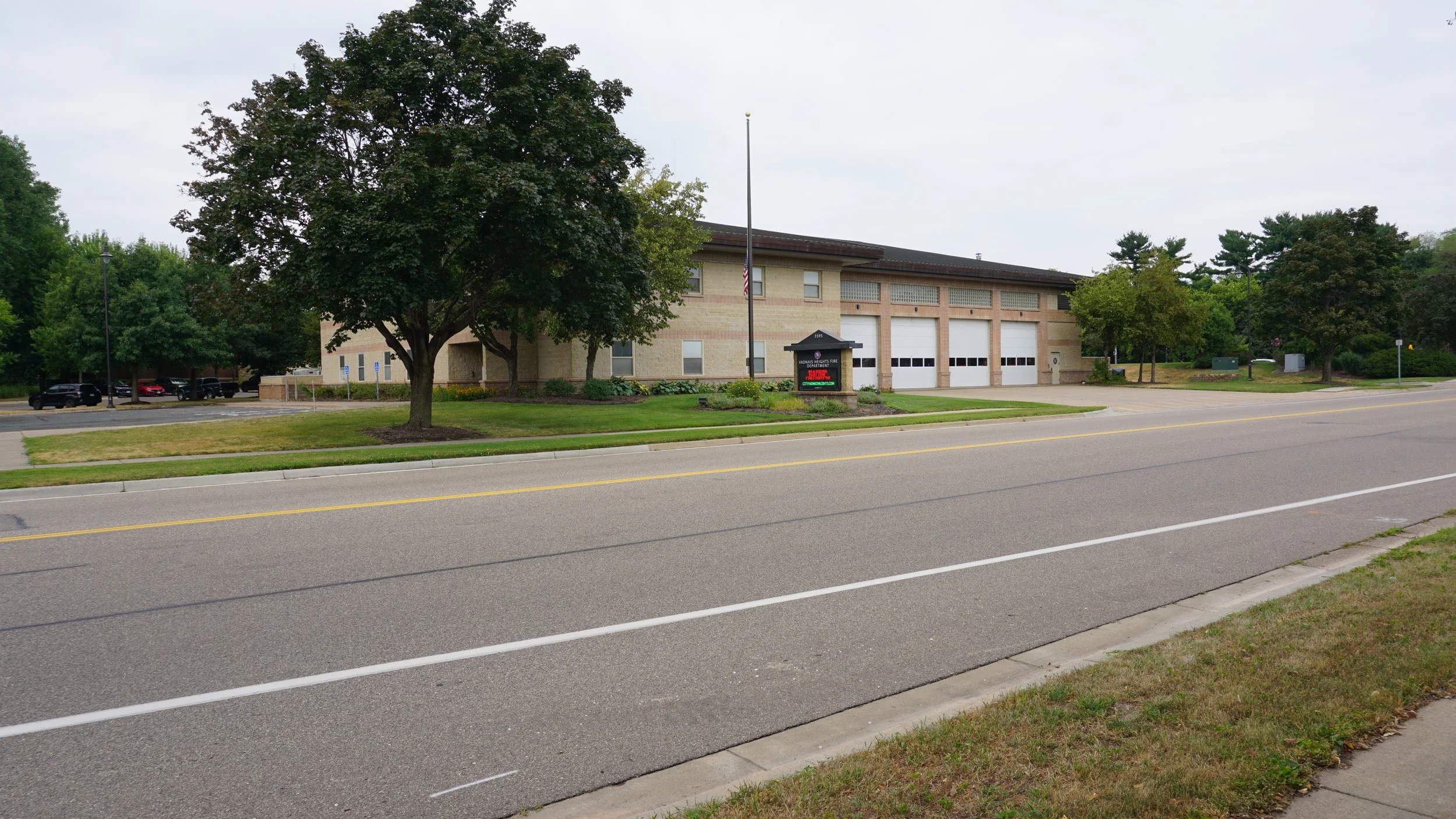
The City Council and city staff studied renovation and replacement options.
Before recommending a new South Fire Station, the city asked a harder question first: could the existing building simply be fixed? For more than two years, the city studied that option seriously, and the findings were clear enough to focus on new construction.
What Renovation Would — and Would not — Solve
Renovation and replacement were compared side by side, factor by factor, including cost, operating impact and long-term value. While a renovation could address some of the station's problems, a full assessment found it couldn't resolve the ones that matter most:
The space shortage remains. Renovation options studied could add some square footage, but none closed the full gap between what the department has and the 37,000 square feet it needs.
Some fixes create new problems. In the options studied, work-arounds elsewhere in the building showed how hard it is to fix a 30-year-old layout without compromising something else.
The building's core problems don't go away. Water infiltration, air leakage, and insulation issues built into the existing walls aren't something renovation can fully correct.
Challenging relocation during construction. Every renovation option studied required significant mechanical work extensive enough that the VHFD couldn't operate at the station, meaning a temporary relocation that could slow emergency response.
No room to grow. None of the renovation paths could accommodate future expansion, so the same space constraints would resurface again within years.
The conclusion
Replacement was the only option that fully resolved the problems the assessment identified, rather than deferring them.
What Replacement Delivers
A new station would be designed to meet current fire service standards from the ground up, including:
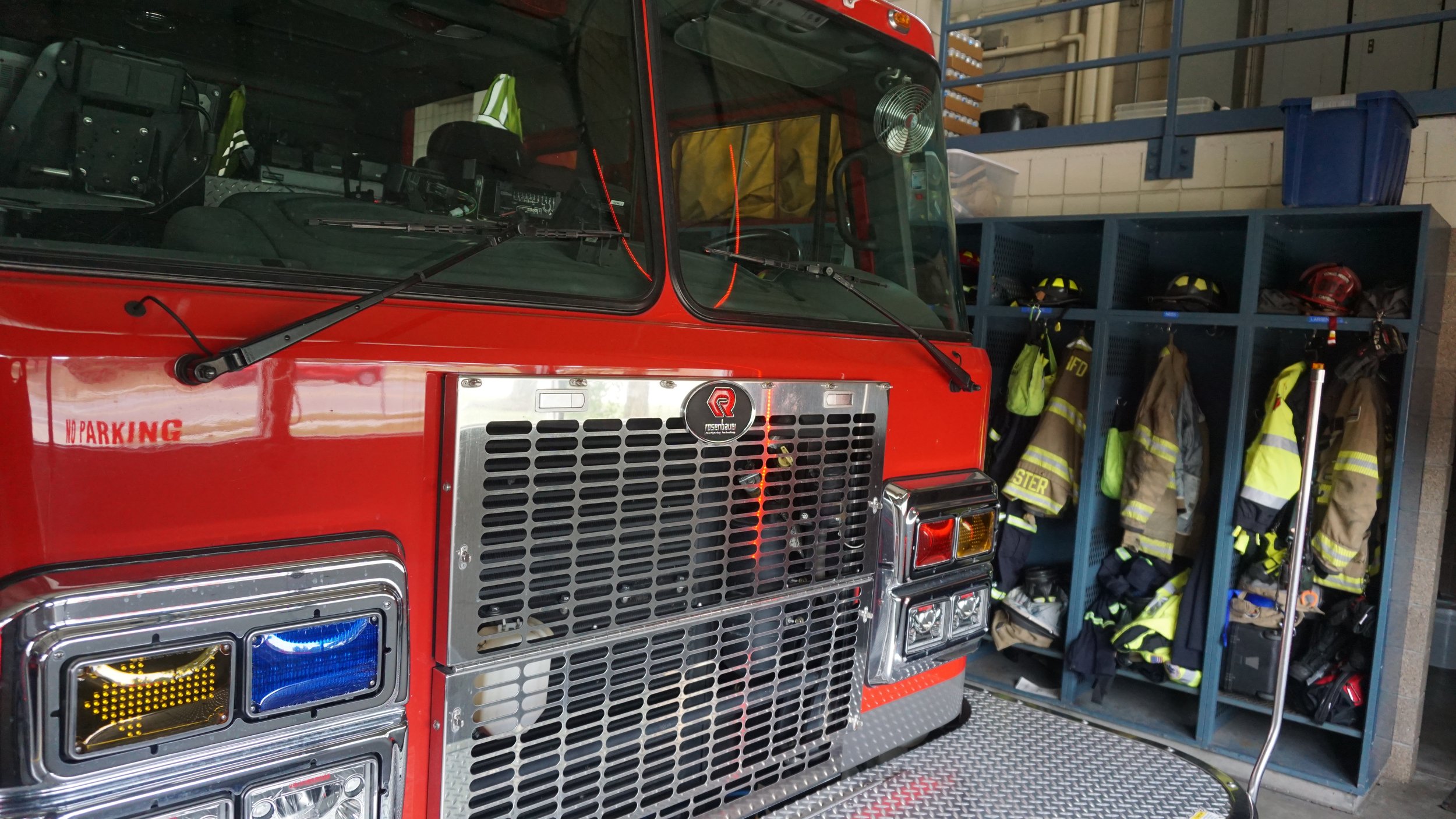
Modern health protections. Dedicated "hot, warm, and cold" zones separate contaminated gear and vehicles from living and office space, with new ventilation systems designed to reduce exposure to carcinogens and respiratory irritants.
A building sized for how the department actually operates. Space for a second company, proper living, working and sleeping quarters that meet national fire service standards, and dedicated community and training space.
A facility built to last. Durable, low-maintenance materials designed for a long service life, reducing both replacement costs and environmental impact.
A more efficient building to operate. Solar-ready design, LED lighting, and smart controls — including occupancy sensors and daylight-responsive lighting — designed to lower long-term operating costs.
No disruption to service. Because the department can stay operational at the current station throughout construction, residents receive uninterrupted fire and emergency coverage the entire time.
Understanding the Investment
The city council initially approved a plan in May 2026 to build a new fire station that came with an estimated cost of up to $33 million — a number that covers construction and bond issuance costs, plus a large contingency for the unexpected.
That figure reflects the plan as it stood when it was approved. Where things go from here will depend on a few things: what the city council hears from residents through this engagement process and how construction costs change moving forward.
Construction costs have been climbing faster than inflation for a while now — which is part of why the city wants to keep moving forward thoughtfully instead of putting off this decision indefinitely. The longer we wait, the more expensive any investment will cost.
What Happens to the North Fire Station
Replacing the South Fire Station solves a second problem the city has been facing.
The North Fire Station stopped handling emergency response when the department shifted to 24/7 service at the South Station in 2022. Since then, it's mainly served as overflow storage for equipment that doesn't fit at the cramped South Station.
If a new South Fire Station is built, the city would decommission the North Fire Station and hand the building to the Public Works department, which has its own space needs. That means the city can address two facility problems with one project, avoiding the cost of a separate, new Public Works facility altogether.
This city takes this level of investment seriously.
The goal is not to pursue the fastest option, but the one that provides the best long-term solution to the serious challenges at the current fire station.These challenges didn't appear overnight — and neither did our plan to address them.